
Guide · Updated 2026
A job search engine crawls the entire web and pulls every opening into one place — so instead of visiting dozens of sites, you search once. Here are 10 of the best job search engines in 2026, what makes them different from a job board, which suits volume, verified listings, or international work, and how to search smarter.
What is a job search engine?
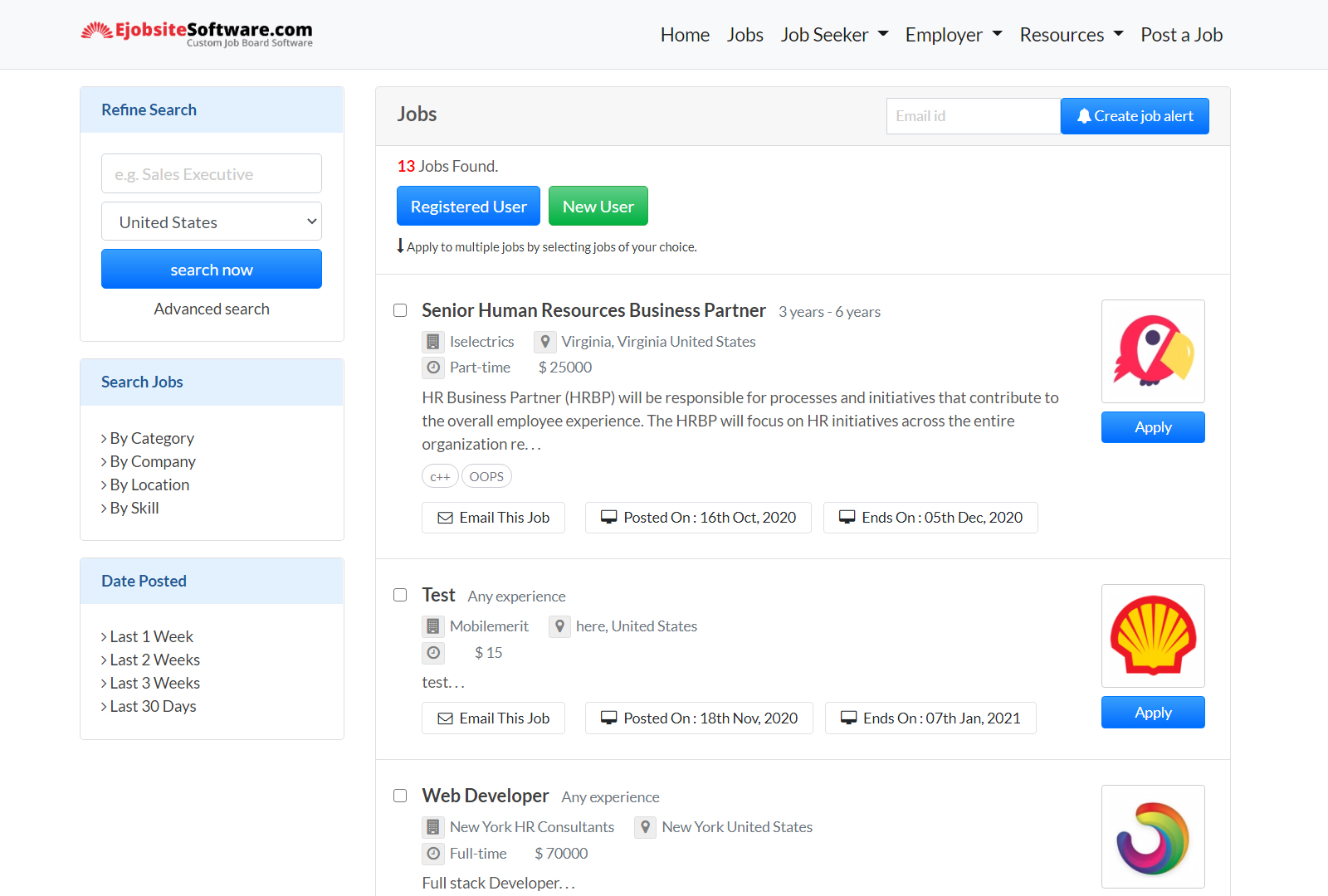
A job search engine — also called a job aggregator — is a search engine built exclusively for job postings. Crucially, it doesn’t host listings of its own. Instead it crawls and consolidates openings from company career pages, job boards, staffing agencies, and other sources into one searchable place, then sends you to the original posting to apply. That’s what makes it different from a job board, and it’s why a single search can surface jobs from thousands of sites at once.
The key distinction
Search engine vs job board
They’re often confused, but they work in opposite ways — and you’ll use both.
Job search engine (aggregator)
Hosts nothing itself. Crawls and consolidates listings from across the web into one search, then links you to the source to apply. Strength: breadth and volume. Weakness: duplicates and the odd stale post. Examples: Indeed, Google for Jobs, Jooble.
Job board
Employers post openings directly, and the listing lives on the board. Strength: curated, first-party, often niche listings. Weakness: you must visit each one separately. Examples: a niche industry board, or one you build yourself.
At a glance
Every engine, compared
What each job search engine is best for, and where it operates.
| Job search engine | Best for | Reach |
|---|---|---|
| 1. Indeed | Sheer volume across every field | Global |
| 2. Google for Jobs | A zero-login first scan of the market | Global |
| 3. SimplyHired | A clean, no-clutter aggregated search | Global |
| 4. Talent.com | A fast, Google-like search experience | Global |
| 5. Jooble | International and blue-collar roles | 70+ countries |
| 6. Adzuna | Data-rich search with salary insight | Global (UK-founded) |
| 7. Careerjet | Instant, mobile-friendly searching | 90+ countries |
| 8. LinkUp | Verified, direct-from-employer jobs | Global |
| 9. ZipRecruiter | AI matching that comes to you | US-focused |
| 10. Snagajob | Hourly and shift-based work | US |
The list
Best job search engines, by type
Jump to the group that fits — each engine notes what it’s best for and its reach.
The big aggregators
Indeed
Visit site →Sheer volume across every field · Global
The largest job search engine in the world, Indeed aggregates listings from company career pages, industry associations, and other job boards into one enormous, searchable database — drawing hundreds of millions of visits a month. Its strength is volume and powerful location, keyword, and salary filters; the trade-off is noise, with some duplicated or stale listings, so it’s best paired with a more curated source.
Google for Jobs
Visit site →A zero-login first scan of the market · Global
Not a website but a feature inside Google Search: type something like “marketing manager jobs Houston” and Google compiles a filtered, consolidated list from thousands of sites at once. It’s the fastest, friction-free first stop before you go deeper on any single platform, and it links you straight to the original posting to apply.
SimplyHired
Visit site →A clean, no-clutter aggregated search · Global
Owned by Indeed’s parent, Recruit Holdings, SimplyHired pulls millions of listings from thousands of sources into a clean, minimalist search — with handy salary-estimate and cost-of-living tools useful for relocators. Because it shares Indeed’s roots it can feel similar, so treat it as a lighter, salary-focused search layer rather than a separate ecosystem.
Talent.com
Visit site →A fast, Google-like search experience · Global
Formerly Neuvoo, Talent.com is one of the fastest-growing aggregators in North America, known for a very clean, Google-like interface that candidates love and strong mid-market coverage. A polished, modern alternative to the older aggregators.
Global and international search
Jooble
Visit site →International and blue-collar roles · 70+ countries
A global aggregator operating in over 70 countries, Jooble compiles listings from corporate sites, digital newspapers, staffing agencies, and regional boards while filtering out duplicates. It’s a genuine traffic powerhouse for blue-collar, logistics, retail, and service roles, and a strong choice if you’re open to international work or planning a relocation.
Adzuna
Visit site →Data-rich search with salary insight · Global (UK-founded)
A UK-founded search engine now operating across many countries, Adzuna aggregates listings from thousands of sources and layers on genuinely useful data — salary estimates, market statistics, and its “ValueMyCV” tool. Good for job seekers who want to understand pay and demand, not just find openings.
Careerjet
Visit site →Instant, mobile-friendly searching · 90+ countries
A pure aggregator famous for a simple, text-heavy interface that loads instantly, even on mobile. Operating in more than 90 countries, it’s a favourite of high-velocity job seekers who want to scan a lot of listings fast without a heavy, ad-laden interface.
Specialised search engines
LinkUp
Visit site →Verified, direct-from-employer jobs · Global
LinkUp does something the others don’t: it indexes openings exclusively from verified company career pages, ignoring third-party boards entirely. That means fewer duplicates, fewer stale posts, and far fewer scams or “ghost jobs” — a smaller but unusually trustworthy pool sourced straight from employers.
ZipRecruiter
Visit site →AI matching that comes to you · US-focused
More than a search engine, ZipRecruiter uses machine learning to actively match job seekers with relevant roles based on their profile, then notifies employers of strong candidates. Its “apply once, get matched” model and top-rated mobile app suit people who’d rather be found than endlessly search.
Snagajob
Visit site →Hourly and shift-based work · US
A search engine built specifically for hourly and shift-based work — retail, restaurants, warehousing, and seasonal roles. Its fast, simple application flow is tuned for high-volume hourly hiring, making it the go-to when you want shift work rather than a salaried career.
Searching smarter — and spotting duplicates and ghost jobs
Because aggregators pull from many sources, the same role can appear several times, and you’ll occasionally hit an outdated posting or a “ghost job” that never actually gets filled. A few habits keep your search clean: cross-check a promising role against the company’s own careers page, lean on an engine like LinkUp that indexes verified employers only, and be wary of listings that never seem to close or that ask for payment or bank details up front.
To search effectively, start broad on Indeed or Google for Jobs to map the market, then narrow with specific keyword, location, and salary filters and set up email alerts so fresh roles come to you. Apply early — popular postings gather applicants fast — and, wherever you can, apply on the original source rather than a re-listed copy.
For recruiters & entrepreneurs
Build your own job search engine
Aggregators work by pulling listings together — and you can do the same. With ready-made job board software and built-in job-wrapping and import tools, you can launch your own job board or niche aggregator under your own brand, self-hosted with full source code and a one-time payment. Focus on one industry or region and you can offer a cleaner, more relevant search than the giants.
Explore job-wrapping software →
Answers
Frequently asked questions
What is a job search engine?
What is the difference between a job search engine and a job board?
What are the best job search engines?
Are job search engines free to use?
Which job search engine has the most listings?
How do I avoid duplicate and fake listings?
How should I use a job search engine effectively?
Can I build my own job search engine or job board?
Keep exploring
Resources & related pages
Build your own job search engine
Aggregate the roles your niche cares about into one clean search. With self-hosted job board software and job-wrapping tools, you can build a search engine under your own brand — full source code, one-time payment. See it in the live demo.